It dawns on me that I could probably, given the right mindset or motivation, write post after post about the discomfort that comes from our experiences as humans with bodies.
Ugh, bodies.
Like it or not, we’re all bound to them.
They’re an integral part of our human experience.
And while bodies can surely be recognized for their amazing interconnected biological workings and their ability to heal and to train and to achieve …
They can also be downright embarrassing and a source of discomfort and social awkwardness.
They blush. They respond… or ahem, fail to respond… to arousal. They can betray our true feelings. They sprout hair in awkward places. They change over time, without our permission. They wrinkle. They pimple. They itch. They flake.
They pass eye-watering gas at inopportune times. They go into sneezing fits, given the right irritant. They leak – many different things, from many different places. They churn and toss their contents when unsettled. They stretch, they scar. They poop while bringing babies into the world. They smell.
And yet, these discomforts associated with our bodies are essentially universal things. “Perfectly normal” as professionals like to assure us.
So why do we let our bodies embarrass us, make us uncomfortable?
It must be acknowledged, especially in the United States, that we have a weird dynamic of being fascinated with bodies and appearances and sex, but also a Puritanical history of being deeply ashamed of bodies and physicality and “the flesh.”
I think so much of it also has to do with the discomfort we get from feeling out of control. Our bodies do what they do, and our thoughts/efforts/will generally can’t nip their reactions in the bud.
Though I’ve grown, and matured, and recognized control is an issue everyone must deal with – yes, even me – I think a lot of it goes back to those early experiences when we actually become *aware* of our bodies.
Yes. I’mma talk about puberty.
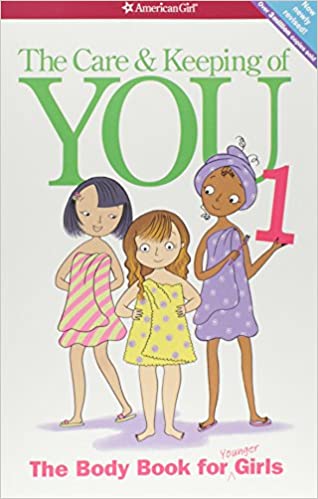
Puuuuuberty: it is really what started this whole post in the first place. Of course, puberty is long long past for me – miles and miles back in my rear-view mirror.
However, I am now in the unique position of watching my only daughter go through it at break neck speed. And oh the visceral memories that this brings up … that surprised me! … bringing embarrassment and discomfort that feel a lot closer in proximity than my actual experiences.
True or not, our bodies no longer feels as innocent.nwelcome comments or attention. We absor They feel unfamiliar. They may receive unwanted messages about what bodies should look like, and be like, and be for as we’re still trying to figure out what it means to have this new body.
and new shapes.
A young person may even be struggling with whether or not their body matches who they feel themselves to be.
So much change happens, and so quickly. We move from one clothing size to the next and suddenly need more showers and have to learn how to use menstrual supplies and have these intense physical and emotional responses to people and experiences.
And don’t get me started on the urge to compare ourselves to others, and the cultural phenomenon of putting ourselves down to fit in with peers who trash talk themselves.
In many ways, anxiety just seems like a natural response to all these shifts.
I know, as a parent, I want my child to have information about their changing self and feel like they can talk to me about concerns or discomfort. I want her to love herself as she is, but also be willing to learn how to take care of herself as her needs change.
We… don’t see eye to eye here.
Yet?
Sigh.
Part of me totally admires that my child states that she doesn’t care what anyone else thinks about her body and herself. But like it or not, a huge part of me worries that she’ll be treated badly by her peers for not wanting to shower regularly, wear deodorant, or brush through her curly hella tangly hair (which, with puberty, has gotten about 6 times thicker).
And though she may “not care” in the moment, I dread that peer rejection could indeed hurt her deeply in the long run.
As I reflect on my early adolescence, I remember a kid who was often left largely to her own devices.
My parents were present, sure, but to my memory, they weren’t really … “tuned in” to this time of rapid changes. I figured out that I might need a bra and asked if I could get one. I figured out deodorant might be something I needed when I realized I could smell something intensely bad… and that it was ME. 😳 I knew the basics about menstruation from health class and a book my mom speed-read with me, but out of mortification and discomfort, I also managed to hide getting my first period until my mom discovered a bunch of ruined clothing.
And the peer rejection piece? I ultimately emerged from adolescence with a wonderful group of friends, but before that, there was a ton of intense social rejection, peer bullying, and pain heaved on a kid who didn’t know to navigate much of her body changes and issues.
I’ll never be a helicopter parent, but oh how I want to spare her those discomforts, those embarrassments, those shames tied to her physical form. (Heck, it somehow manages to embarrass me to write about this 30 years later. Ahh, body embarrassment… the gift that keeps on giving, whether or not we want it.)
I know I can’t save her from all those potential uncomfortables. I know that isn’t even actually my job as a mom. The therapist in me honestly does believe that we need to experience some of these things to develop grit and evolve.
Our battles do indeed make us stronger, in so many circumstances.
But in a world with so much body shame and confusing messages about the female form, I don’t want body battles to wage war on her yet. I want her to have a fighting chance at loving herself – mind, spirit, AND body.
When the battles do inevitably come, I want her to have a strong foundation built so she can fight for herself, and summon all the mental and physical strength she possesses.
I want her to know she and her body have inherent worth, no matter her shape, weight, ability. Even if her body can’t move as fast as a peers, or if it doesn’t fit into clothes bought off the rack. Even if her body does things that embarrass her or frustrate her.
Or maybe even if she’s learning some of these things, like her mom still is 30 years later.
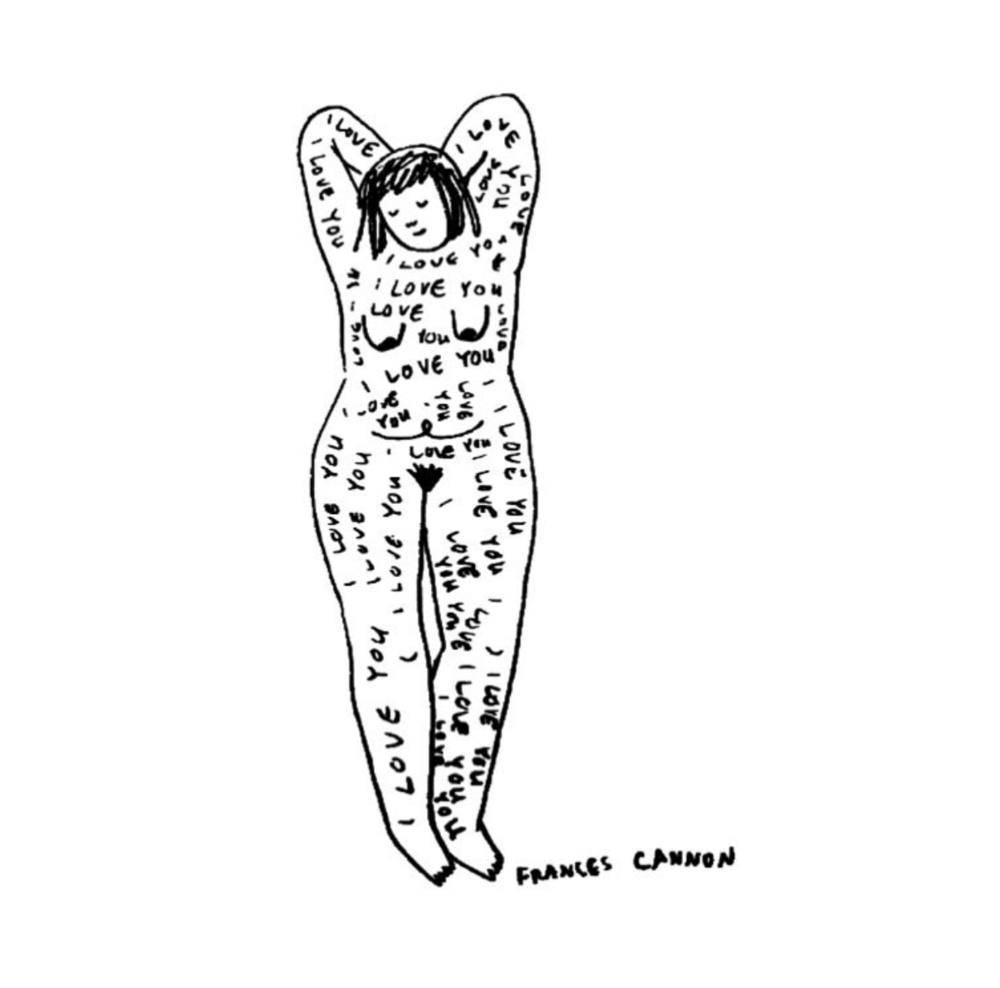

 alive. awake. uncomfortable.